

 Watch our ICV Videos
 View our Thank You Message
 Read our Clinical Trial Information
Rett Syndrome Resources
Our commitment to patients and families affected by Rett syndrome goes beyond the science; we want to raise awareness and connect them with helpful resources.
International Rett Syndrome Foundation
 The International Rett Syndrome Foundation's mission is to accelerate full spectrum research to cure Rett syndrome and empower families with information, knowledge, and connectivity.
Rett Syndrome Research Trust
 The singular goal of the Rett Syndrome Research Trust is to find cures for Rett syndrome as efficiently and quickly as possible.
Reverse Rett
 Reverse Rett is a UK charity driving treatments and a cure for Rett syndrome into the lives of everyone affected.
Rett UK
 Rett UK is a national charity dedicated to supporting and empowering people with Rett syndrome and their families.
Rett Syndrome Association of Australia
 The Rett Syndrome Association of Australia Inc. (RSAA) is a not-for-profit organization that is managed by a committee of volunteers, most of whom are parents or grandparents of Rett syndrome children. The Association seeks to enhance the quality of life for people with the syndrome and their families and be of assistance to anyone interested in the disorder.
Rett Syndrome Europe
 Rett Syndrome Europe is a small, not for profit, voluntary led organization to serve the interests of families across Europe affected by this devastating disorder. The board is comprised of parents of people with Rett syndrome.
Ontario Rett Syndrome Association of Canada
 The Ontario Rett Syndrome Association of Canada (ORSA Canada) is a volunteer-driven, non-profit charity dedicated to supporting parents, caregivers, researchers, medical professionals, and other stakeholders. ORSA Canada provides essential resources and advocacy for individuals with Rett Syndrome and their families across Canada.
Rett Syndrome in Egypt
 Rett Syndrome in Egypt is a dedicated platform committed to supporting families affected by Rett syndrome across Egypt. Its mission is to raise awareness, provide reliable information, and create a supportive community for caregivers and individuals living with Rett syndrome.
Rett Syndrom Deutschland e.V.
 Rett Syndrom Deutschland e.V. is an association in Germany founded in 2010 by parents of a girl or woman with Rett syndrome who have been actively working to support the international Rett research conducted by the Rett Syndrome Research Trust. Through our international and Germany-wide network, we aim to connect and support affected families and share all the latest information on research.
NGN-401 Educational Resources
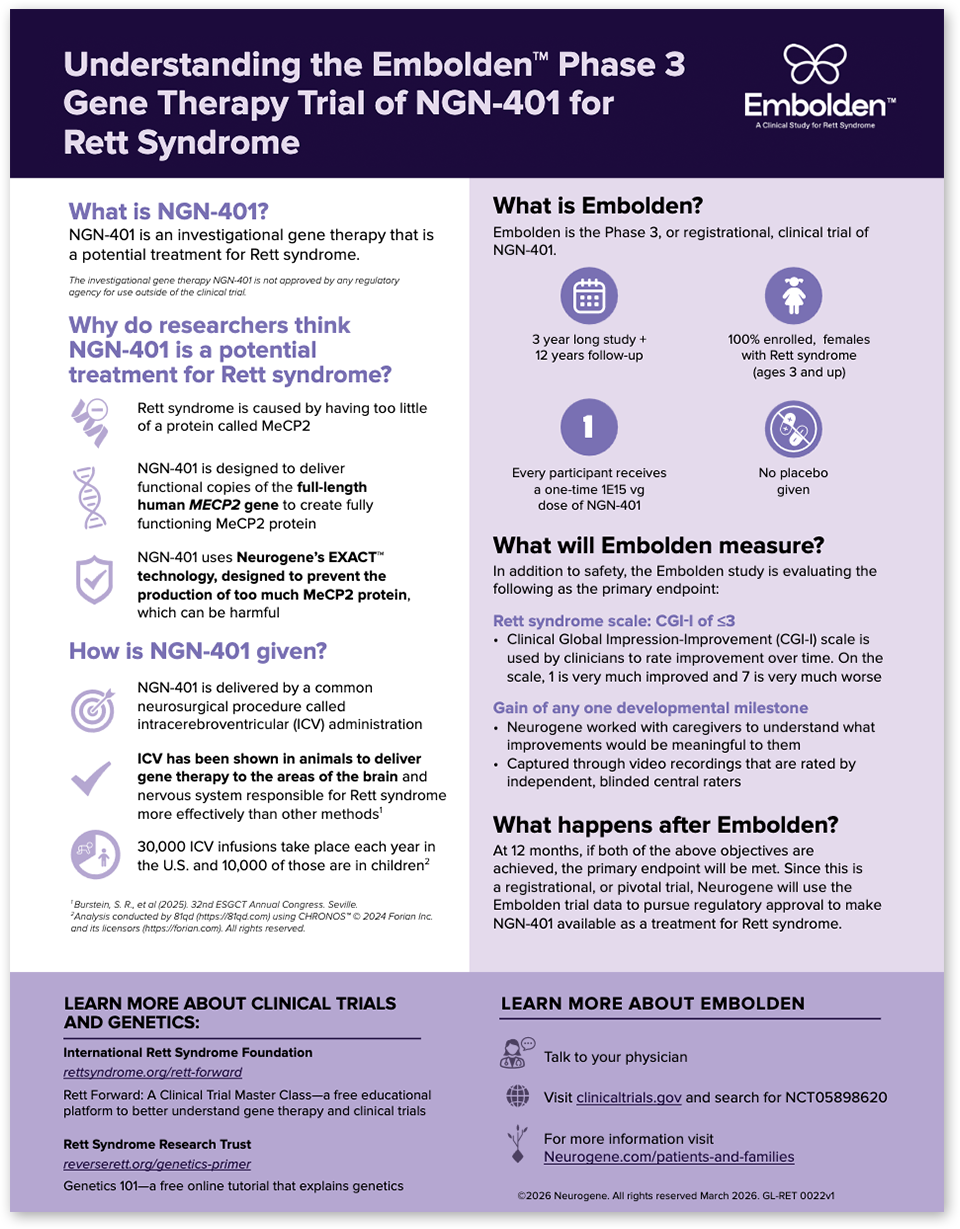
Learn about Intracerebroventricular (ICV) Administration
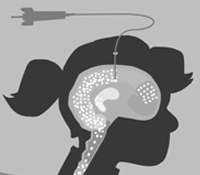
- Intracerebroventricular, or ICV administration, is a well-established, routinely performed neurosurgical procedure, used by neurosurgeons for decades.
- ICV delivers medicine directly to the cerebrospinal fluid that surrounds the brain and flows down the spinal cord. ICV administration targets the brain and spinal cord cells.
- Researchers compared a single ICV administration to the brain and a single administration to the lower spine, called intrathecal lumbar or IT-lumbar. IT-lumbar is another way medicine can be administered to the cerebrospinal fluid.
- The results showed that ICV delivery was more effective than IT-lumbar at reaching every region of the brain and spinal cord that were tested. In key areas of the brain, ICV was found to be 5 to 124 times more effective than IT-lumbar.
- Neurogene chose to use ICV administration to optimize delivery of the NGN-401 gene therapy to the brain and spinal cord cells affected by Rett syndrome.
The investigational gene therapy NGN-401 is not approved by any regulatory agency for use outside of the clinical trial.
Claims regarding the efficacy & safety of NGN-401 cannot be made.
We have created 2 videos to help answer your questions about ICV
WHAT is an intracerebroventricular (ICV) procedure?
WHY is it used to deliver NGN-401?
WHAT happens during and intracerebroventricular (ICV) procedure?
Neurogene Cares
What is Neurogene Cares™?
Neurogene Cares is our community outreach program designed to support families beyond our research by addressing practical and meaningful needs. Through this initiative, our employees will participate in various service activities to support families*.
How can you get involved?
Families, caregivers, siblings—we want to hear from you!
Email us at [email protected] to share your ideas—whether it’s a list of resources that may help you, items to ease your travels, or educational topics you’d like us to address. We are interested in your suggestions for how we can help!
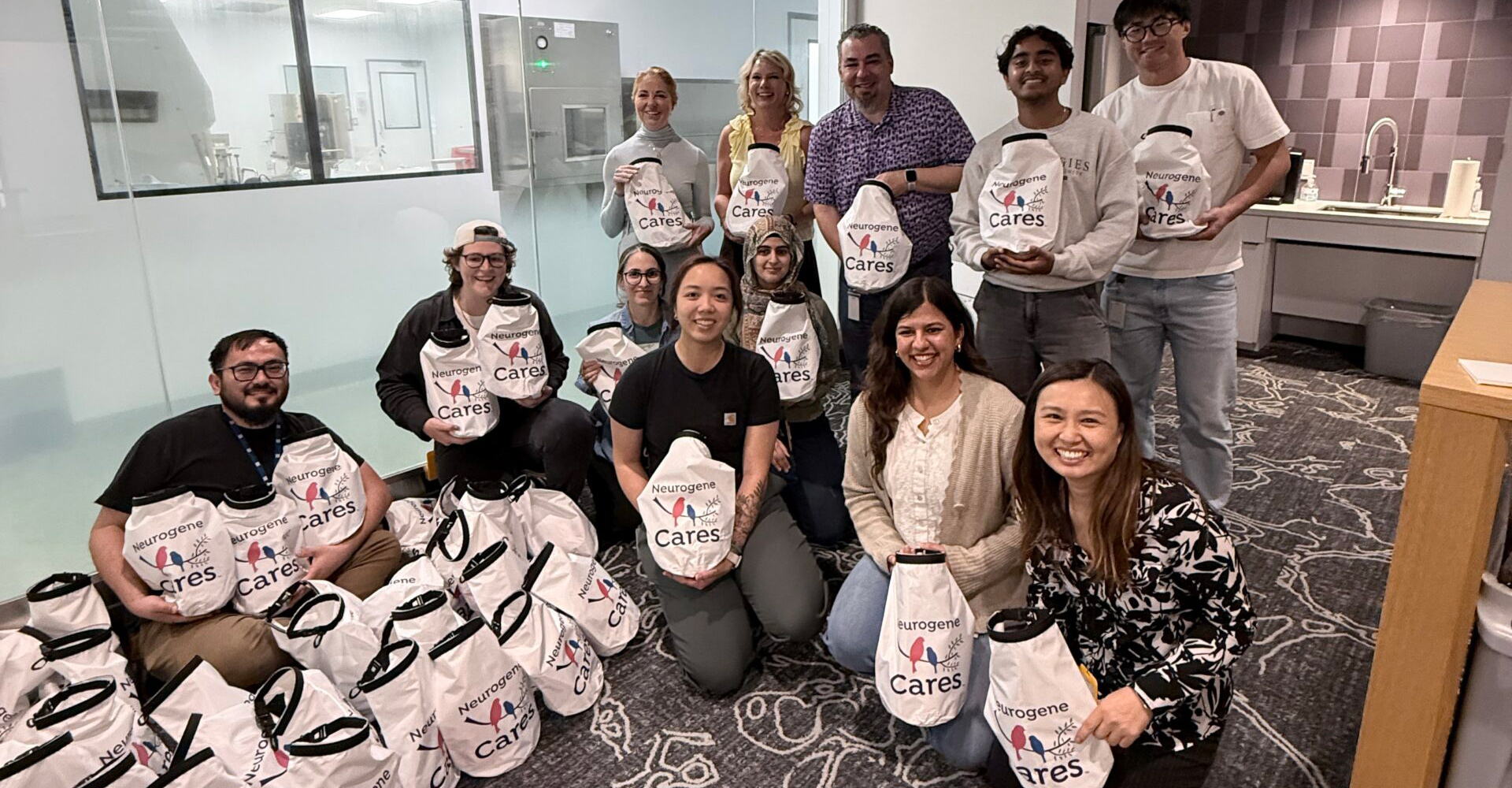
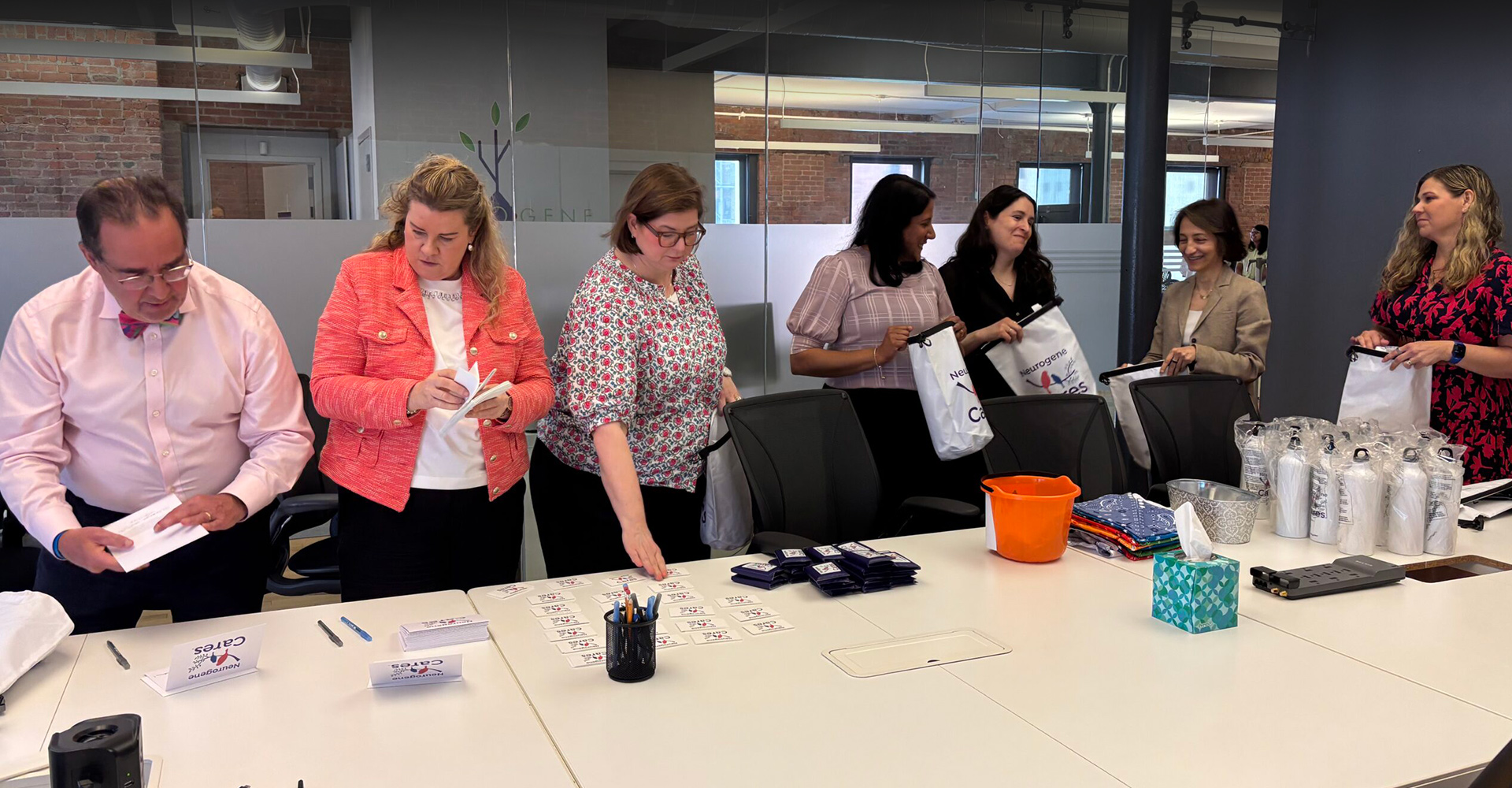
*NGNE Cares is not a compassionate use/expanded access program.
Neurogene’s Caregiver Advisory Council
At Neurogene, we strive to not just hear from families, but to integrate their perspectives into the core of our work. That is why we developed a Caregiver Advisory Council.
Our Caregiver Advisory Council is a consistent and meaningful way to continue to engage directly with families. The Council furthers our commitment to learn from caregivers and integrate their perspectives to inform and improve our work each day.
We extend our sincere gratitude to the caregivers who are members of our Caregiver Advisory Council.
Patient Advocacy & Engagement at Neurogene
 Kimberly Spong, RN, MBA
Executive Director
Patient Advocacy & Engagement
+1 (877) 237-5020
[email protected]
Would you like to stay connected? If so, please complete the form below.
 About NGN-401
 Expanded Access Policy
 Rachel McMinn, Ph.D., is Chief Executive Officer of Neurogene and serves as Executive Chair of the company’s Board of Directors. She founded Neurogene in January 2018 with the mission of developing genetic medicines to improve the lives of neurologically-impaired people and their families. Prior to founding Neurogene, Dr. McMinn served as the Chief Business and Strategy Officer of Intercept Pharmaceuticals, a company dedicated to patients with serious liver disease. Prior to her industry experience, Dr. McMinn was an award-winning biotechnology analyst, with 13 years of experience at firms including Bank of America Merrill Lynch, Cowen, and Piper Jaffray. She graduated from Cornell University magna cum laude with a B.A. and earned her Ph.D. from The Scripps Research Institute and was awarded a Post-Doctoral Miller Fellowship at the University of California, Berkeley.
 Christine Mikail, J.D., is President and Chief Financial Officer of Neurogene and serves on the company’s Board of Directors. In her role, Ms. Mikail leads Corporate Strategy and Business Development, Portfolio Management, Operations, and Finance. Ms. Mikail, who joined Neurogene in 2019, brings over two decades of experience supporting biotechnology and pharmaceutical companies in corporate strategy and business development, operations, legal and finance capacities. Prior to Neurogene, Ms. Mikail was Chief Administrative Officer and Head of External Business Development/Alliance Management and General Counsel at Axovant Sciences, Inc., where she was an integral member of the team that raised $362 million in the company’s IPO. Prior to joining Axovant, she held a variety of senior executive positions at NPS Pharmaceuticals, Inc., Dendreon Corporation, Eli Lilly and Company, and ImClone Systems. Ms. Mikail developed her life sciences focus as a corporate and securities lawyer at Reed Smith and WilmerHale. Ms. Mikail graduated cum laude with a B.A. from Rutgers University and earned her J.D. from Fordham University School of Law in
 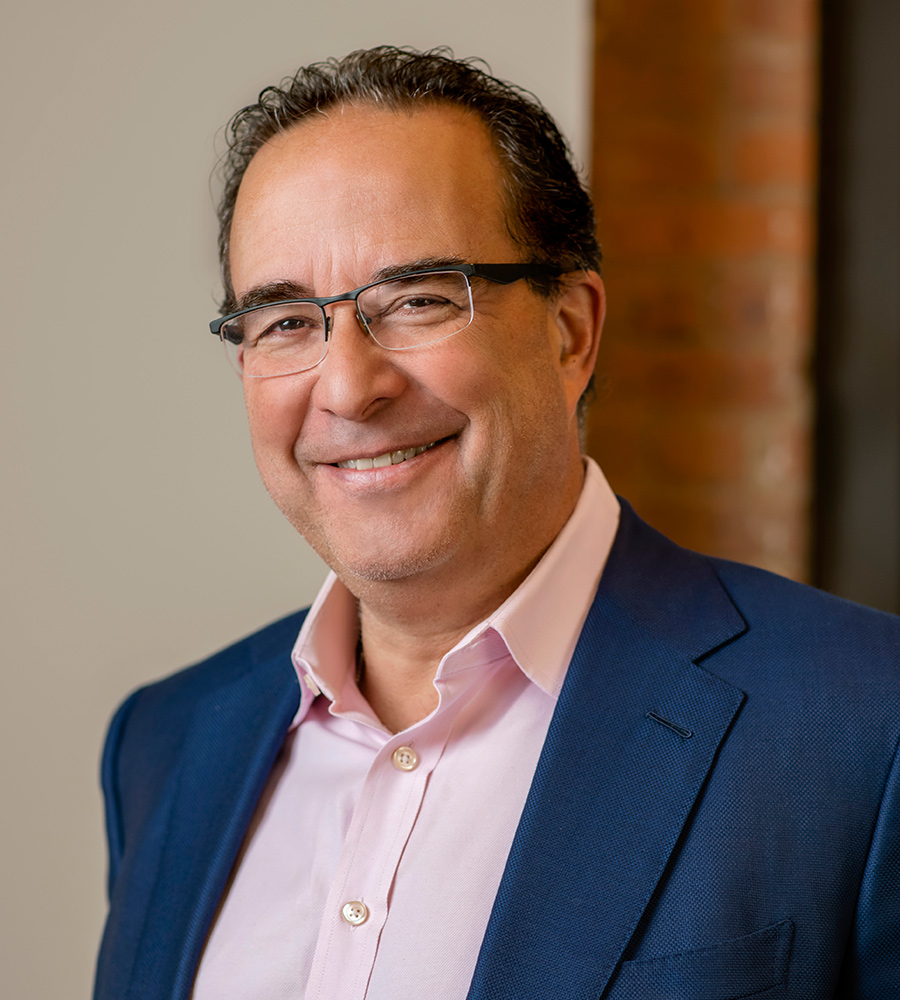 Andrew Mulberg, M.D., serves as Senior Vice President, Regulatory Affairs, Quality Assurance, and Quality Control at Neurogene. Dr. Mulberg is a pediatric gastroenterologist with nearly 30 years of experience and has a strong passion for helping bring important new medicines to market for patients with devastating rare diseases. In his role at Neurogene, he provides strategic leadership and direction for regulatory and quality activities. Prior to joining Neurogene, Dr. Mulberg led global regulatory affairs for Amicus Therapeutics and held various roles of increasing responsibility within global drug development and medical affairs at Johnson & Johnson. In addition to Dr. Mulberg’s biotechnology and pharmaceutical experience, he spent six years as the Division Deputy Director in the Division of Gastroenterology and Inborn Errors Products at the U.S. FDA. He received his B.A. from Columbia University and his M.D. from Mount Sinai School of Medicine. Dr. Mulberg also previously served as Attending Physician and Fellowship Director of Gastroenterology and Hepatology at Children’s Hospital of Philadelphia. He is currently an adjunct Professor of Pediatrics at the University of Maryland Medical Center, and Chairman of the Medical Advisory Board Go4 the Goal foundation, a pediatric cancer advocacy 501(c)(3) organization.
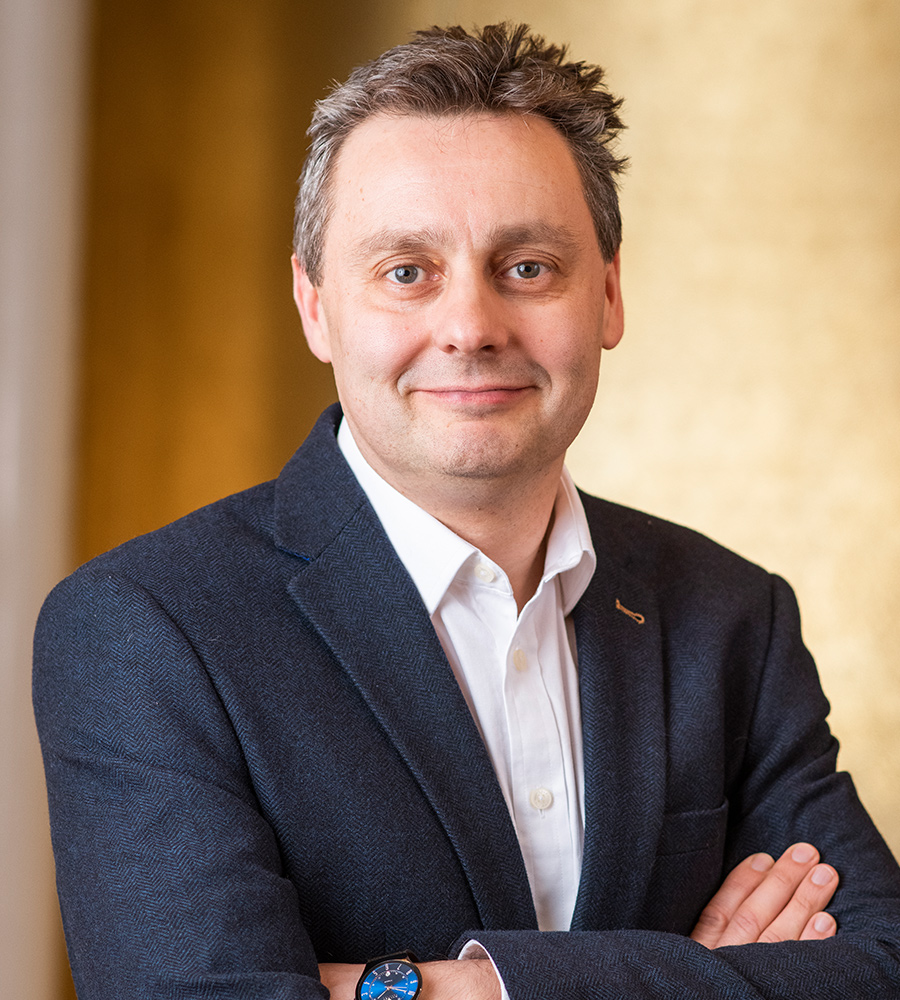 Stuart Cobb, Ph.D., is Chief Scientific Officer at Neurogene. Dr. Cobb, who joined Neurogene in 2019, brings to the team more than 20 years of experience in translational neuroscience. He leads Neurogene’s scientific research, the development of scientific strategy to support the company’s existing and growing gene therapy portfolio, and efforts to identify novel technologies that complement Neurogene’s pipeline. In addition to his role at Neurogene, Dr. Cobb also leads a research team at the University of Edinburgh, where he is Professor of Translational Neuroscience at Simons Initiative in the Developing Brain and Centre for Discovery Brain Sciences. Prior to his work at Neurogene, Dr. Cobb was a Caledonian Research Fellow and led an academic research laboratory at the University of Glasgow. His research has focused on developing novel genetic treatments for brain disorders based on a deep understanding of the molecular and cellular pathology. Dr. Cobb’s work has been published in leading journals and includes seminal work on the inherent reversibility of neurological features in neurodevelopmental disease. Dr. Cobb has a B.Sc. from the University of Glasgow and a Ph.D. in Neuroscience from the University of Oxford.
 Donna M. Cochener, J.D., LL.M., is Senior Vice President and General Counsel of Neurogene. She is a seasoned legal and executive professional with over two decades of experience in corporate law, governance, and executive leadership across the biotechnology and financial services sectors. Prior to joining Neurogene, Ms. Cochener held the roles of Interim Chief Executive Officer and General Counsel at Neoleukin Therapeutics, where she led the company through its merger with Neurogene in December 2023. Her earlier career includes serving as Senior Vice President and Deputy General Counsel at HomeStreet, Inc., the parent company of HomeStreet Bank, where she was primarily responsible for securities reporting and compliance, corporate governance, and led various transactions including mergers and acquisitions. Ms. Cochener was previously a partner at Davis Wright Tremaine LLP in Seattle, and also held associate positions at Heller Ehrman LLP, Riddell Williams P.S., and Perkins Coie LLP.
 Julie Jordan, M.D., is Chief Medical Officer at Neurogene. Dr. Jordan brings over 20 years of industry and clinical expertise involving the design and execution of global clinical trials across multiple development areas, including gene therapy and central nervous system disorders. Before joining Neurogene, she was Chief Medical Officer at Homology Medicines, where she was responsible for leading clinical development and operations, leading regulatory interactions and supporting translational research programs for the company’s pipeline of gene therapy and gene editing candidates for rare diseases. She previously held global leadership roles of increasing responsibility at Cerevel Therapeutics, Avanir Pharmaceuticals and Teva Pharmaceutical Industries. Prior to her industry experience, Dr. Jordan was a practicing physician for 10 years and previously served as Clinical Instructor of Medicine at Harvard Medical School and in the Department of Medicine at Massachusetts General Hospital (MGH). She holds an A.B. in Biology from Harvard College and an M.D. from Harvard Medical School and completed her residency in Internal Medicine at MGH, Harvard Medical School.
 Arvind Sreedharan serves as Senior Vice President, Business Operations at Neurogene. Mr. Sreedharan, who leads business operations at Neurogene, has over three decades of commercial experience in the pharmaceutical and biotechnology industry, including significant experience in CNS disorders and multiple orphan diseases. Prior to Neurogene, he served as Vice President, U.S. Commercial Operations for AveXis, the gene therapy company that developed Zolgensma®, an FDA-approved treatment for spinal muscular atrophy (SMA), which was acquired by Novartis for $8.7 billion. Earlier, Mr. Sreedharan served as Vice President of Marketing at Auspex Pharmaceuticals, a biopharmaceutical company focused on hyperkinetic movement disorders and rare diseases, acquired by Teva Pharmaceutical for $3.5 billion. Before Auspex, he served as Director, Movement Disorders at Lundbeck, where he played an integral commercial role in the successful product launch and management of Xenazine®, the first FDA-approved drug for the treatment of chorea associated with Huntington’s disease. Mr. Sreedharan has supported and partnered with numerous rare disease advocacy groups throughout his career. He previously served on the Huntington’s Disease Society of America Board of Trustees and is currently a member of the Board of Directors for The Huntington Study Group (HSG), the first Huntington’s Disease cooperative therapeutic research organization and a world leader in facilitating high-quality clinical research trials and studies in Huntington’s Disease. Mr. Sreedharan holds a B.A. in both Biology and History from the University of North Carolina.
 Ricardo Jimenez serves as Senior Vice President, Technical Operations at Neurogene. Mr. Jimenez has nearly three decades of experience in the pharmaceutical and biotechnology industry, the majority of which has been focused in the gene therapy field. He joined Neurogene in 2018 and during his tenure has led the company’s internal build out of process and analytical development, the CGMP manufacturing facility including its design, manufacturing operations, quality assurance, and quality control supporting viral vector manufacturing from research grade to clinical scale. Prior to his work at Neurogene, Mr. Jimenez was the site head of the Lonza Houston manufacturing facility and played a leading role in establishing Lonza as a leading contract cell and gene therapy manufacturer, including designing and overseeing the construction of the cell and gene therapy facility in Texas. He began his career in gene therapy in 2005 at Introgen Therapeutics, where he was responsible for the validation activities for adenoviral-based products, and subsequently served as Head of Quality at Vivante GMP Solutions, a gene therapy contract manufacturing organization acquired by Lonza in 2010. Mr. Jimenez holds a B.S. in Biomedical Science from Texas A&M University.
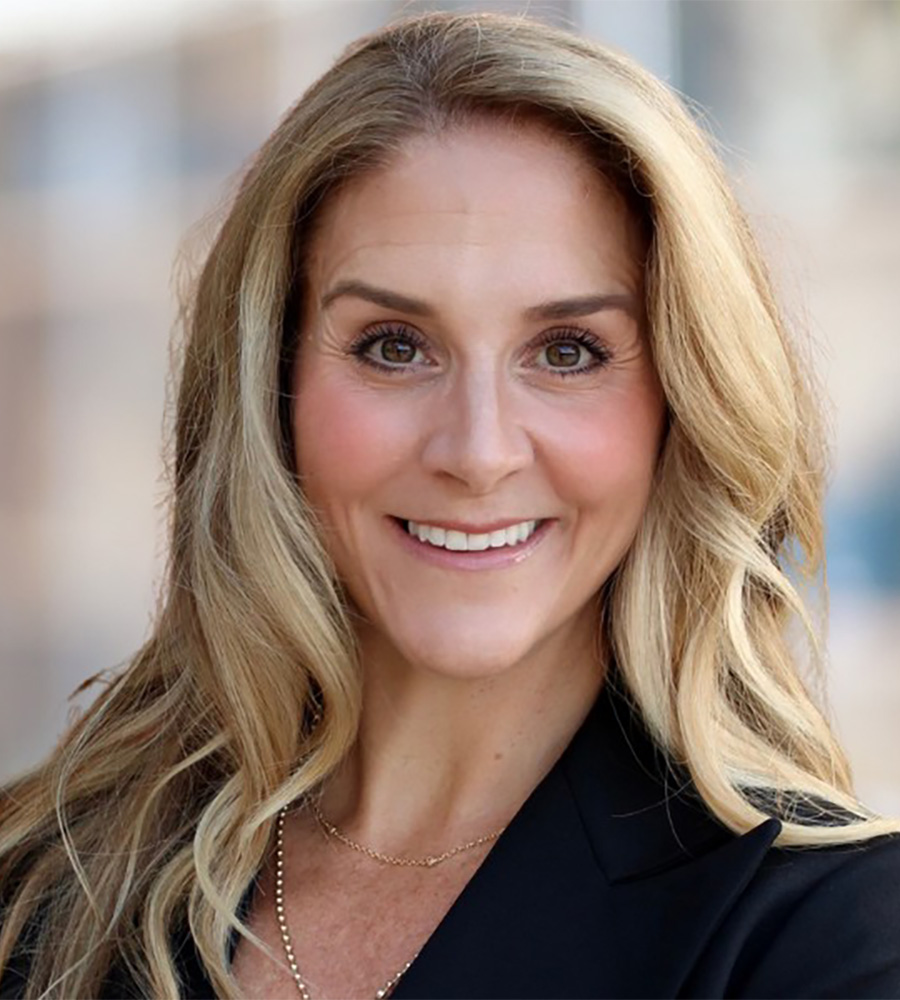 Christy Shafer is Chief Commercial Officer at Neurogene. Ms. Shafer brings over